numeric-sovereignty.org
Your journey towards numeric sovereignty starts here !
Your journey towards numeric sovereignty starts here !
April 16th, 2026
Google is a tool that every internet user knows. In fact, talk to anyone, and if they have a question or doubt about something, they will likely "Google it" to verify the information.
Google was founded in 1998, which means it has been around for nearly three decades. Starting as a company in a garage in Menlo Park, California, Google quickly grew into a massive empire, offering:
Today, let's focus on their search engine.
There are many reasons why you might want to avoid this search engine:
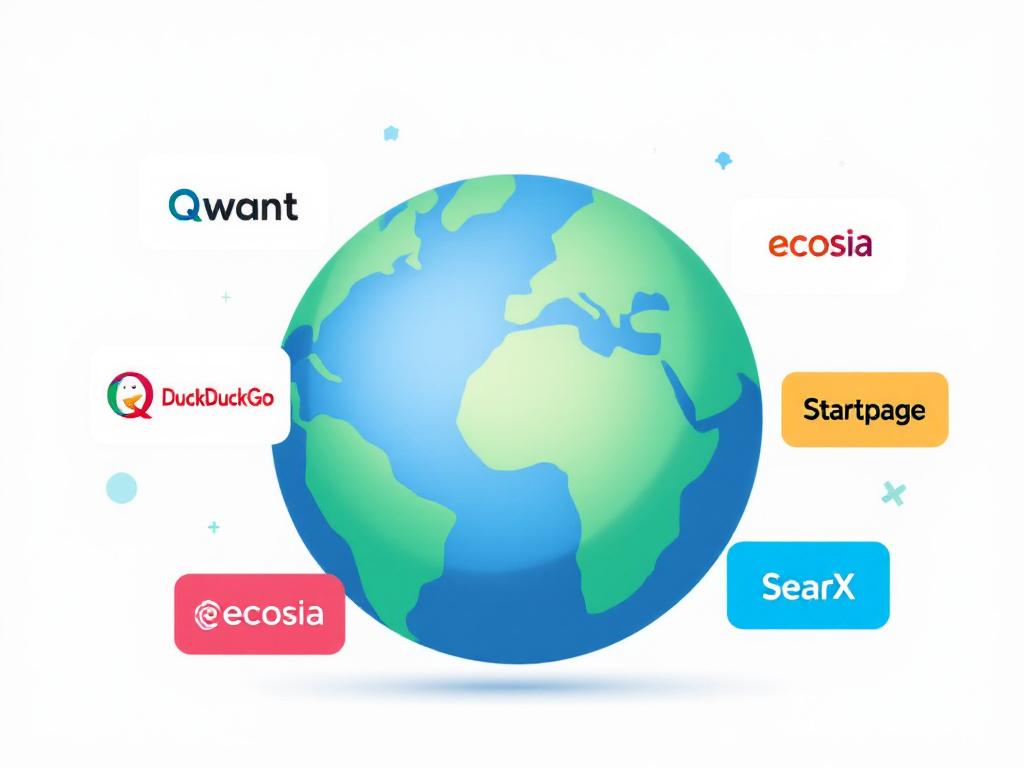
The answer is simple: yes! Here are some alternatives, including European ones:
| Alternative | Country | Strengths | Drawbacks |
|---|---|---|---|
| Qwant | 🇫🇷 France |
|
Fewer results than Google |
| Startpage | 🇳🇱 Netherlands |
|
Uses Google's index |
| SearX | 🌍 Open-source |
|
Less intuitive interface |
| DuckDuckGo | 🇺🇸 USA |
|
Based in the USA (but pro-privacy) |
| Ecosia | 🇩🇪 Germany |
|
Results sometimes limited |
| Lilo | 🇫🇷 France |
|
Less well-known |
It's both simple and complicated because it involves changing your habits. Practically, all you need to do is change your default search engine in your browser and experiment. After a few days, you'll get used to your new tool.
For my part, I chose Qwant, and I must admit that the switch hasn't disrupted my personal or professional searches. It's just a matter of wanting to regain control over your data.
Switching search engines is first and foremost a matter of will. The reasons vary: protecting your data, supporting ethical projects, or exploring other sources. The first few days might feel strange, but you'll quickly adapt. If you're hesitant, try an alternative for a few days—you might be surprised!